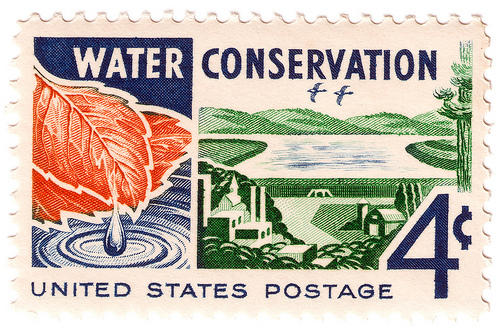
20-01-2020The intensive and extensive application of imidacloprid in agriculture has resulted in water pollution and risks to aquatic invertebrates. However,…
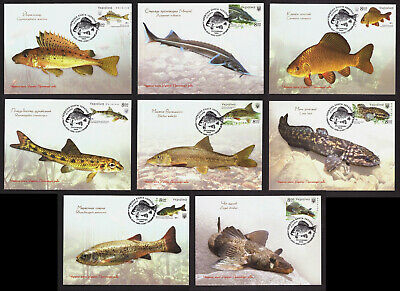
 10-01-2020Freshwater fish species globally are under grave threat according to the latest edition of the International Union for Conservation of…
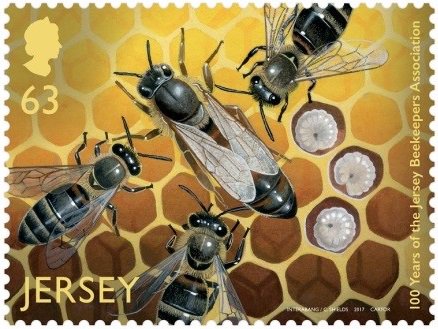
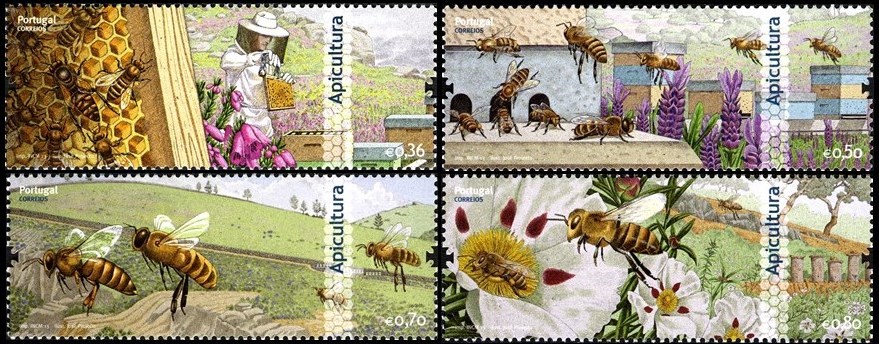
 10-01-2020Until the beginning of the 20th century, the British Isles were home to the European Dark Honeybee, which we now…
 08-01-2020There's new evidence that a widely used family of pesticides called neonicotinoids, already controversial because they can be harmful to…
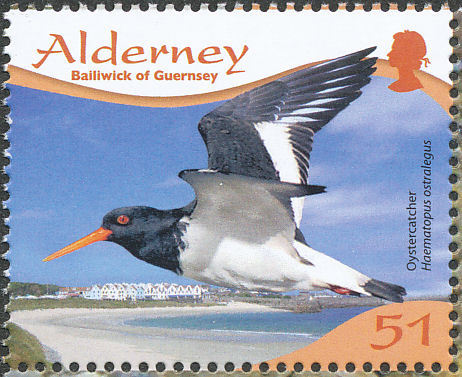
 06-01-2020There are fewer birds in Wales than a decade ago. The Wetland Bird Survey shows that around half our wintering…
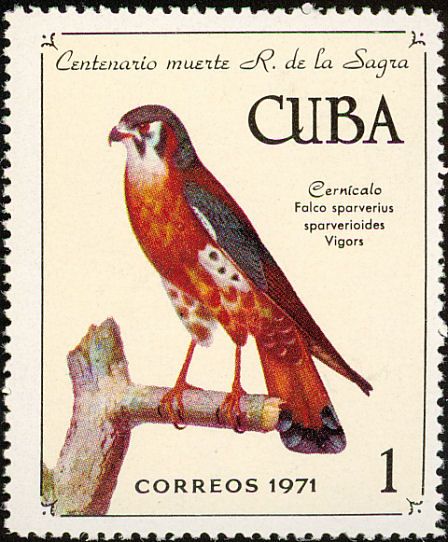
 06-01-2020Throughout the 1900s, North America’s littlest falcon was also described as the continent’s most common and widespread. Small but fierce…
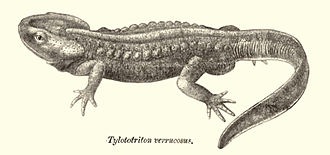
 04-01-2020The endangered Himalyan Salamander is on the verge of extinction due to the growing human encroachment in its habitat, use…
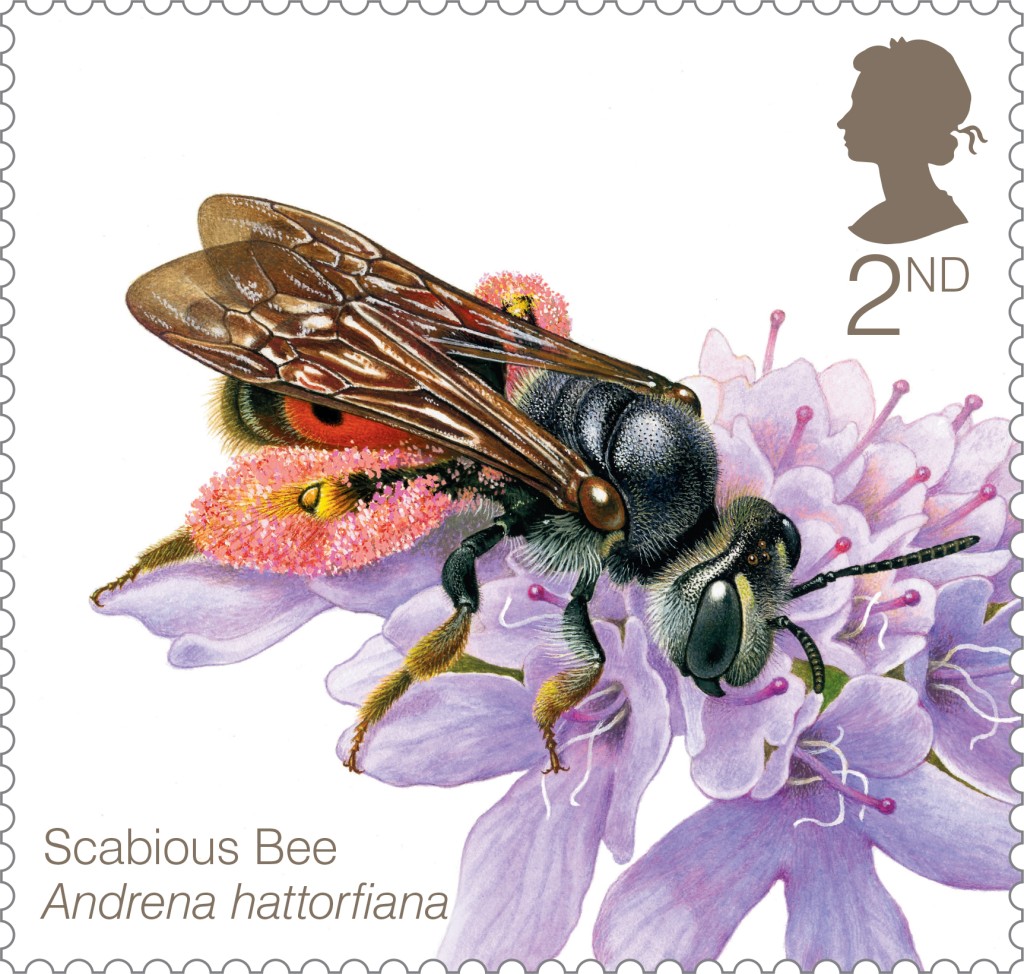
 04-01-2020Recent studies have shown a dramatic decline in the bee population – with a nearly 90% decrease in recent years…
 01-01-2020Neil Mossop knows bees. His family's been in the honey business in Tauranga for more than 70 years. But that…
 30-12-2019Led by scientists from the University of Reading and Nottingham Trent University, the study exposed the sad news that most…